Transmission Rebuild vs. Replacement: Essential Guide for Idaho Vehicle Owners
A failing transmission can hit your wallet hard. It often tops the list of pricey car fixes. For Idaho drivers, this choice between rebuild or replacement affects cost, wait time, and how long your vehicle lasts. Think about our rough roads and cold snaps—they add extra wear. This guide breaks down the options to help you decide smart.
The Silent Signs Your Transmission Needs Attention
Spot these early to avoid bigger trouble. Slipping gears happen when your car shifts slow or jumps. Grinding noises come from inside as parts rub wrong. Fluid leaks show as red puddles under your ride. Delayed engagement means a pause before it moves from park. These signs scream for a check. Ignore them, and you risk a full breakdown on a snowy pass.
Why Idaho Drivers Need This Clarity
Our state's mix of steep hills, long highways, and wild weather stresses transmissions more. Mountain drives in the Rockies demand strong shifts. High-speed runs on I-84 push heat limits. Winter freezes make fluid thick and slow. These factors cut repair life short if you pick wrong. Know the differences to keep your truck reliable for hauls or family trips.
Decoding the Transmission Repair Options: Definitions and Scope
Grasp these basics before you call a shop. Each path fixes the core issue but in different ways. Rebuild keeps your old unit. Replacement swaps it out whole.
What Exactly is a Transmission Rebuild?
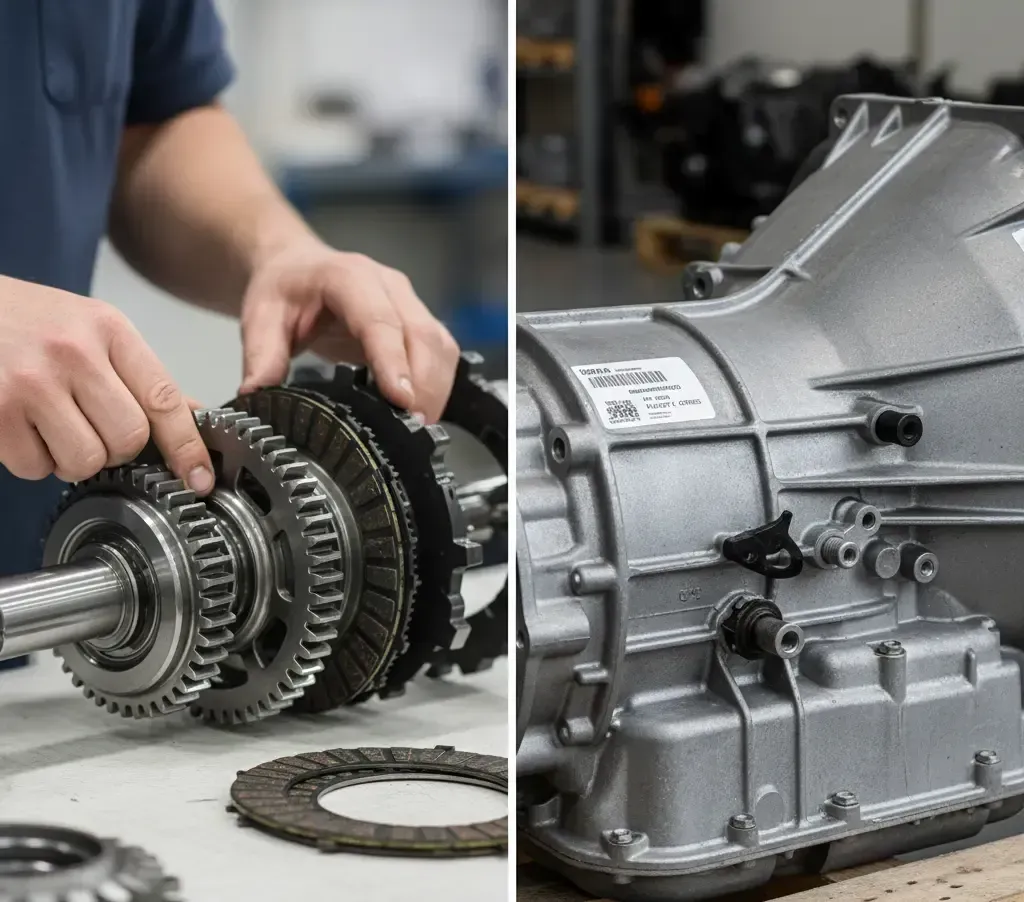
Mechanics pull the transmission from your vehicle. They take it apart piece by piece. Then, they check every part for wear. Worn bits like clutch packs, seals, and gaskets get swapped. The main housing stays the same. This method repairs just what's broken. It saves the core shell. But success hinges on the shop's skill. Poor work leads to quick fails.
Understanding a Full Transmission Replacement
Here, the whole unit comes out and a new one goes in. Shops often pick factory remanufactured ones. These come pre-built to high specs. Or, they might use a used part from salvage. That option risks hidden flaws. Swapping takes the old unit away. The new one bolts right up. It resets your drive system fresh. For tough Idaho routes, this brings back peak power.
The Crucial Distinction: Repair vs. Rebuild vs. Remanufacture
Repair fixes small issues on site. Rebuild tears it down and rebuilds with select new parts. Remanufacture strips it to basics, adds upgraded pieces, and tests in a plant. That last one beats local rebuilds in checks. It ensures even performance. Idaho shops may offer all three. Pick based on your unit's state.
Still Deciding? Get Clarity.
Compare typical rebuild vs. replacement costs in our quick-read summary.
Cost Analysis: Rebuild vs. Replacement Budget Breakdown for Idaho
Money drives most choices here. Rebuilds look cheap at first. But dig deeper for the full picture. Factor in labor, parts, and what-ifs. Local rates in Boise or Coeur d'Alene run similar to national averages.
Initial Cost Comparison: Parts and Labor
A rebuild often costs 30-50% less up front. You pay for targeted fixes only. Labor takes time to disassemble. Replacement hits higher due to the full unit price. Yet, remanufactured options include tested parts. That evens the value over time. Shop around for quotes. Get line items on both.
Hidden Costs and Potential Overruns in a Rebuild
Disassembly can reveal more damage. A cracked case or bad torque converter adds fees. Costs climb fast—sometimes near replacement levels. Fluid flushes or mounts might tag on extra. In Idaho, part hunts delay things and hike bills. Budget 20% buffer for surprises. Ask shops about common add-ons before starting.
Warranty Differences: Peace of Mind vs. Sticker Price
Rebuilds give short coverage, like 1 year or 12,000 miles. It ties to the
local shop. Remanufactured units offer 3 years or 100,000 miles. That spans the U.S., good for road trips. Stronger terms cut future stress. Check if it covers towing too. Weigh this against initial savings.
Reliability and Longevity: Which Option Holds Up Best on Idaho Roads?
Long hauls across the state test any fix. Think Boise to Spokane in snow. You need a unit that lasts. Quality matters more than quick cash.
The Quality Control Factor in Rebuilds
It all rests on the mechanic's hands. A top tech spots issues and uses good parts. But skills vary by shop. One bad seal, and leaks return. In small towns like Idaho Falls, options limit choices. Vet techs with reviews. Aim for those with rebuild track records.
Advantages of a Factory Remanufactured Unit
Plants use new seals, updated clutches, and computer tests. This beats hand work in consistency. Heat and stress from elevation changes? It handles them. Data shows these last 50% longer than rebuilt ones. For daily drivers, this means fewer shop visits. Your engine pairs better with a matched unit.
Considering Vehicle Age and Mileage
Old rides over 150,000 miles? Go replacement. Other parts wear too. A rebuild might fail soon after. Newer cars under 100,000? Rebuild saves if damage stays light. Check your odometer. Pair this with a
full inspection. It guides the best pick.
The Timeline: Downtime for Idaho Commuters and Travelers
Waits hurt if you drive for work or fun. Rebuilds drag. Replacements speed up. Plan ahead to cut hassle.
Rebuild Duration: Disassembly and Part Procurement
Expect 5-10 days. Pulling and checking takes days. Hard-to-find parts wait on orders. Rural Idaho spots face longer shipping. Weekends stall progress. Track your shop's backlog.
Replacement Turnaround Time
This runs 2-4 days often. Stock units install quick. National suppliers ship overnight. No wait for internals. For urgent needs, this wins. Confirm stock before drop-off.
Actionable Tip: Requesting Loaner Vehicles or Rental Reimbursement
Ask for a loaner from the shop. Many offer them free. Or push for rental coverage in your quote. It keeps you mobile. Negotiate this up front. Save receipts for insurance claims.
Making the Final Decision: Expert Advice for Idaho Drivers
Weigh your needs now. Budget tight? Go rebuild if it fits. Need reliability? Pick replacement. Use this frame to choose.
When a Transmission Rebuild Makes Financial Sense
- Your car has low miles, under 80,000.
- Damage seems minor, like just seals.
- You trust a local ASE-certified shop.
- Short trips match your drive style.
These keep costs low and work solid.
When Full Replacement is the Recommended Path
- High miles push past 150,000.
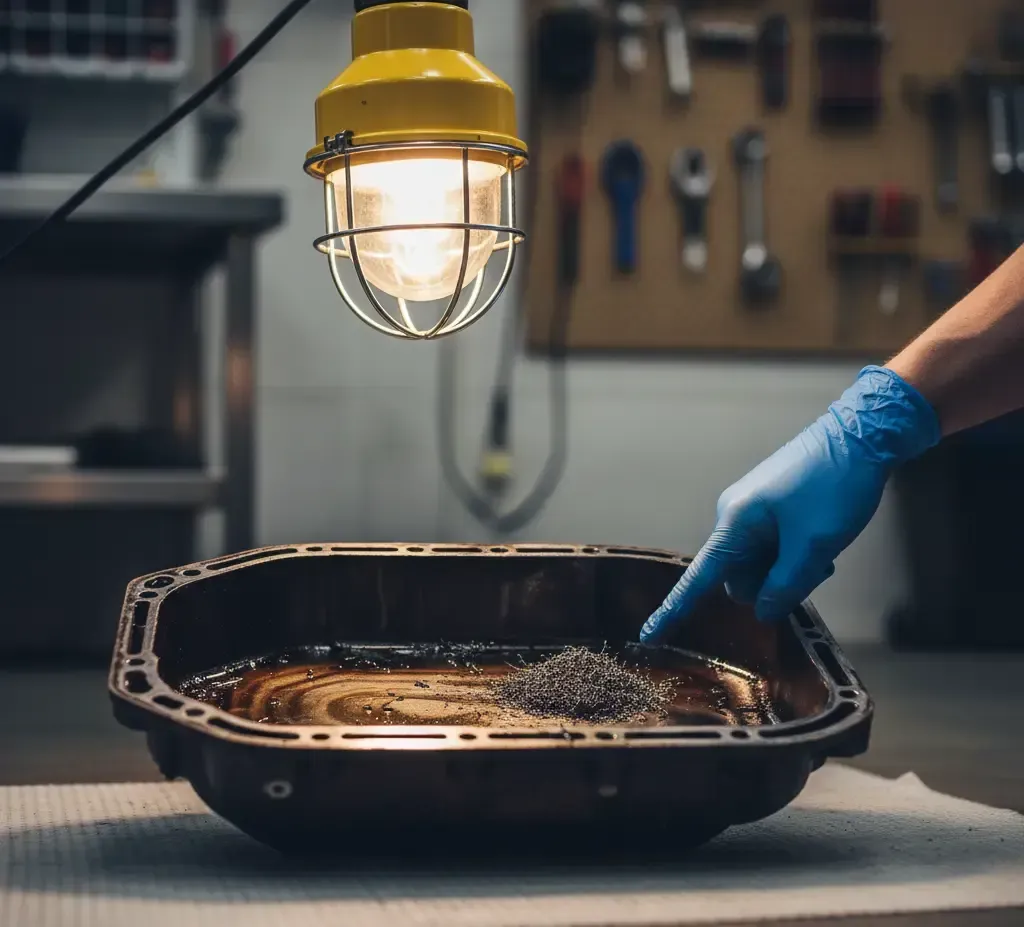
- Shavings clog the pan—big internal mess.
- You want long warranty for peace.
- Vehicle sees heavy tow or hill use.
This resets your drive for years.
Reference to Local Certification and ASE Standards
Hunt ASE badges on techs. They prove skills in transmissions. Manufacturer certs add trust for brands like Ford or Chevy. In Idaho, look for shops via AAA or online maps. Certified spots cut risks on either path.
Securing Your Vehicle’s Future Performance
Rebuild or replace—each has pros. Rebuild saves now but risks later. Replacement costs more yet lasts in our tough terrain. Base your call on damage scope, your budget, and drive habits. Always get written quotes with details. What’s fixed? What’s covered? This guards your choice. For Idaho roads, a smart fix keeps you rolling safe. Talk to a certified shop soon. Your next trip depends on it.
Get a Clear, Written Quote Today
Protect your decision with a trusted, certified Idaho shop.